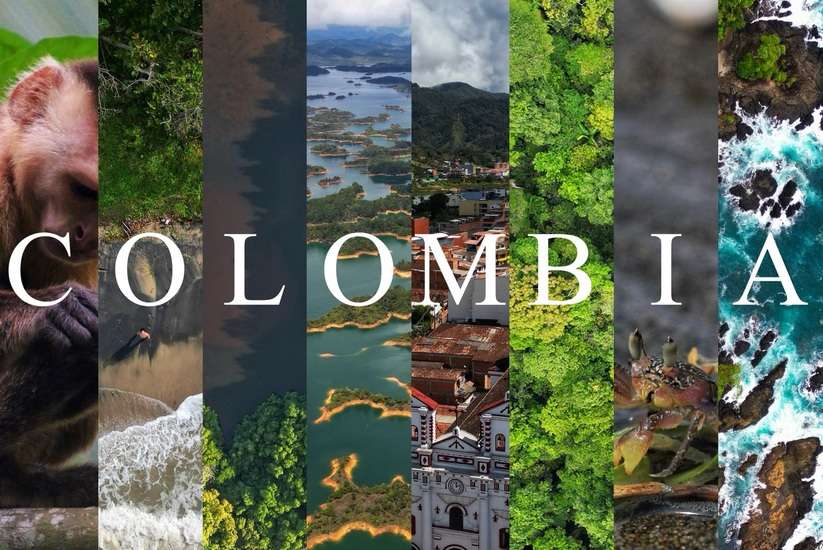
Discover the Difference Between Nature Tourism and Ecotourism
Nature tourism in Colombia encompasses all the experiences that allow you to explore different landscapes across the country: walking along trails surrounded by mountains, navigating rivers, observing birds and other wildlife, or discovering ecosystems that reflect Colombia's biodiversity. Ecotourism, on the other hand, invites you to go one step further. In addition to enjoying these landscapes, it promotes a responsible way of traveling that seeks to protect ecosystems, support the conservation of natural areas, and value the role of local communities that are part of each destination. In Colombia, both experiences complement each other to offer you an authentic way to discover the country.
Where to Practice Ecotourism in Colombia?
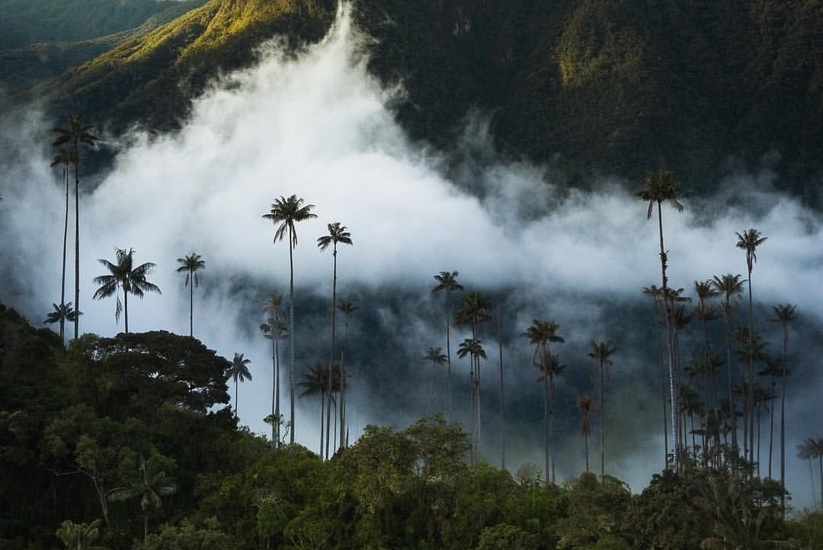
From mist-covered mountains to tropical rainforests, crystal-clear beaches, and deserts, Colombia offers unique settings if you want to connect with nature. Each destination is an opportunity to discover Colombia's flora and fauna, admire landscapes of great ecological richness, and enjoy experiences that promote sustainable tourism in Colombia. If you are planning an adventure in the country, these ecotourism destinations with unique diversity are waiting for you:
- Los Nevados National Natural Park.
- Gorgona Island.
- Amazonas.
- Alta Guajira.
- Utría Cove.
- Puracé National Natural Park.
- Tayrona National Natural Park.
- Iguaque Flora and Fauna Sanctuary.
- Cueva de los Guácharos National Natural Park.
- Corales del Rosario and San Bernardo National Natural Park.
Why Practice Ecotourism in Colombia?

Exploring natural reserves in Colombia and discovering different landscapes means exploring a country where biodiversity surprises you at every turn. From high-altitude páramos and rainforests to coral reefs and coastlines along two oceans, each destination offers unique encounters with nature and experiences that make ecological tourism in Colombia an unforgettable way to travel.
Here are some of the reasons why Colombia is a great destination for nature lovers:
- It is home to an immense number of bird species in the world, making it one of the favorite destinations for birdwatching.
- It has the largest extent of páramos on the planet, ecosystems that are essential for water production and home to unique biodiversity.
- It is one of the countries with the greatest diversity of butterflies, with more than 3,000 recorded species.
- Between June and November, the Colombian Pacific offers the opportunity to witness the natural spectacle of humpback whales and, in some destinations, the hatching of sea turtles.
- It is home to the Andean condor, one of the largest flying birds in the world and a symbol of Andean ecosystems.
- In Corales del Rosario and San Bernardo National Natural Park, coral reefs protect a great wealth of marine species.
- Its coastlines along the Caribbean Sea and the Pacific Ocean allow you to discover a wide variety of ecosystems, landscapes, and nature experiences.
Every trip through Colombia is an opportunity to admire extraordinary landscapes, discover unique species, and understand the value of conserving this natural heritage. If you are looking for an experience that combines adventure, well-being, and connection with the environment, ecotourism in Colombia invites you to explore the country in an authentic and responsible way.
Related articles