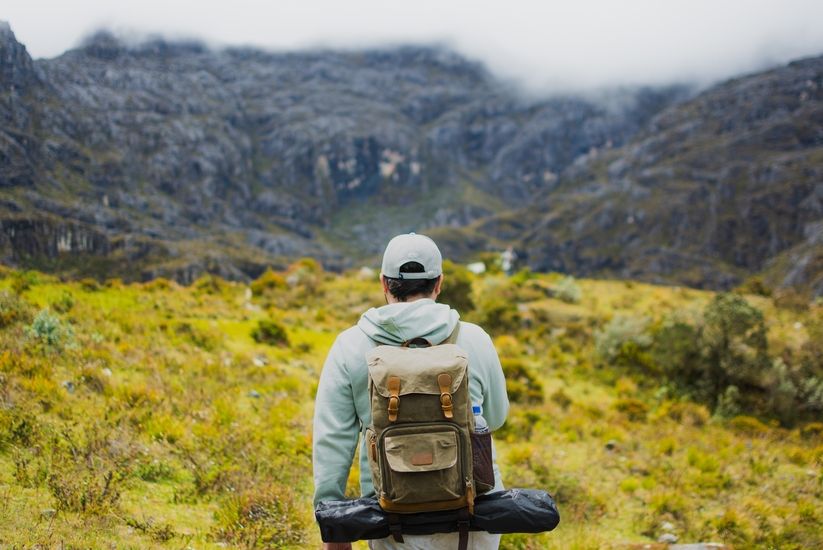
Traveling through Colombia means discovering landscapes that surprise you, flavors that tell stories, cultures that come alive, and communities that make each destination special. Best of all, you can enjoy all this while taking care of the places you visit. In this article, you will find ideas for traveling more responsibly, supporting local communities, enjoying nature, and discovering how sustainability in Colombia can make your trip an even more authentic experience. Pack your bags and discover how to explore the country while leaving a positive impact.
What is sustainable tourism?
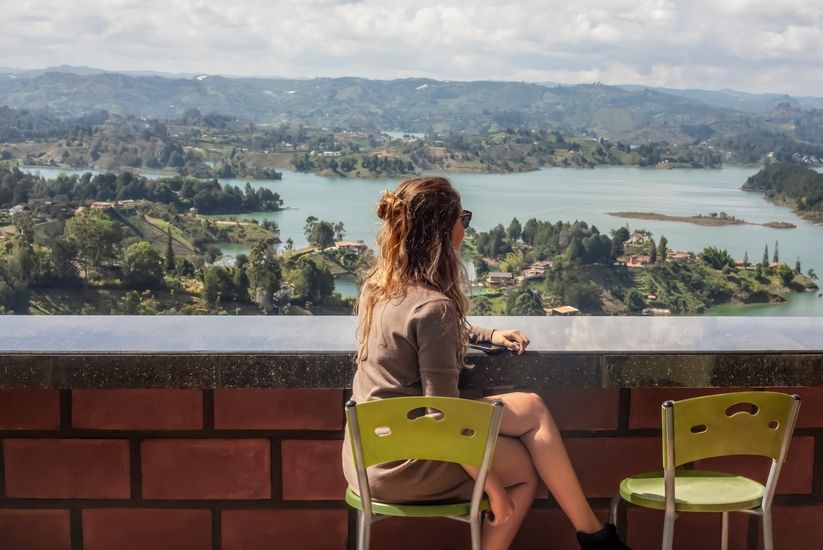
Sustainable tourism seeks to consider the economic, social, and environmental impacts of a trip, both in the present and in the future. Understanding what sustainable tourism involves means discovering a different way to explore Colombia while taking care of its destinations, connecting with its cultures, and contributing to the well-being of the communities that make them unique.
When you choose to travel sustainably, every decision can enhance your experience: taking care of ecosystems and wildlife, respecting the traditions and heritage of each place, and choosing services and products that contribute to local economies. This way, as you discover Colombia's landscapes, flavors, and cultures, you also help preserve what makes each destination special.
Guide to Sustainable Tourism in Colombia
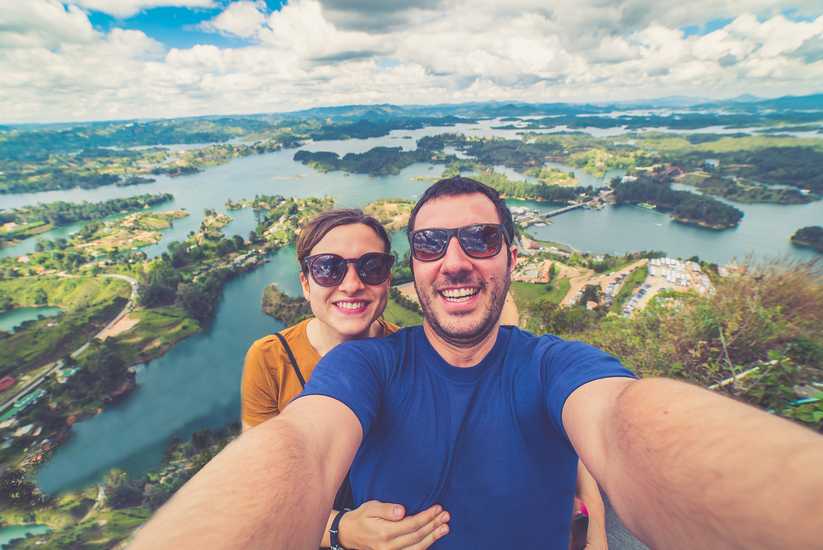
Exploring Colombia in a more responsible way can be part of the adventure. These recommendations bring together sustainable tourism best practices that you can incorporate before and during your trip to enjoy destinations, take care of their surroundings, and contribute to local communities.
Choose responsible tour operators
When planning your trip, look for agencies and guides that conduct their activities responsibly. You can check whether they have a National Tourism Registry and learn about the sustainability practices they incorporate into their services. Choosing committed service providers helps ensure that your sustainable travels also contribute to the development of destinations.
Support local communities and the local economy
A great way to get to know Colombia is to connect with the people who live in its territories. Choose experiences and services that involve local communities, enjoy regional products, and when purchasing handicrafts, do so directly from their creators. In this way, your trip can contribute to the economic and social well-being of destinations.
Respect nature and wildlife
When visiting natural areas, follow the destination's recommendations and avoid any interaction that could disturb animals. Do not capture wildlife or remove wild plants, flowers, or seeds as souvenirs: these elements should remain in their natural environment. Sustainable tourism activities also include enjoying biodiversity without disturbing it.
Reduce waste during your trip
Take care of the places you visit by avoiding unnecessary waste and properly disposing of any waste you generate. Whenever possible, reduce your use of disposable products and follow each destination's guidelines for waste management.
Use resources responsibly
Water and energy are also resources that you should take care of during a trip. At accommodations and other tourism services, you can contribute by using these resources responsibly and following the establishment's recommendations.
Respect local cultures and traditions
Each destination has its own ways of living, celebrating, and relating to its territory. Learn about the customs of the place you visit, respect its cultural and heritage sites, and approach communities with consideration. In this way, discovering new cultures becomes a more meaningful and respectful experience.
Destinations for Sustainable Tourism Experiences in Colombia
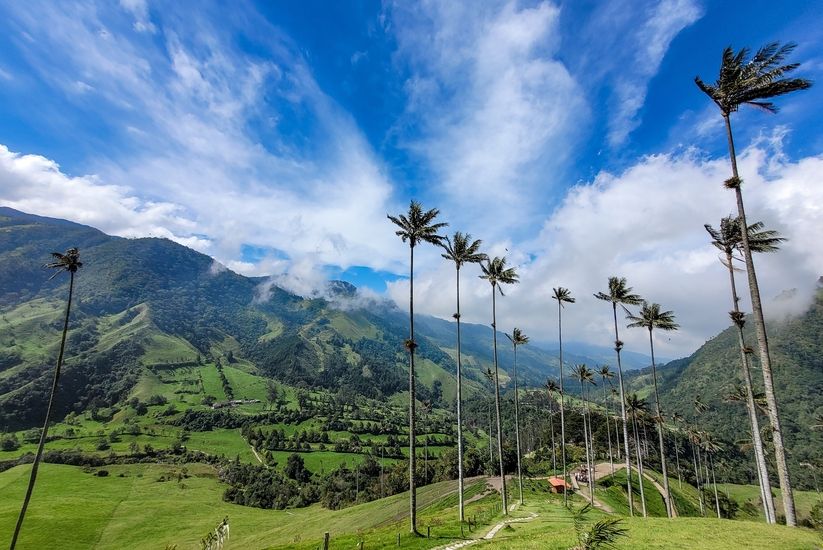
Colombia offers different ways to discover its territories responsibly. If you are looking for nature and biodiversity, you can explore regions such as the Amazon-Orinoquía and the Pacific, where ecotourism and sustainable tourism allow you to enjoy landscapes and discover the natural wealth of these regions. Sustainable tourism is also present in rural and cultural destinations. You can discover the heritage, gastronomy, and traditions of different territories or enjoy experiences related to rural tourism.
Murillo, in Tolima, is a recent example: in 2025, it was recognized as Colombia's winning destination in the UN Tourism Best Tourism Villages program for its rural, sustainable tourism initiative focused on the well-being of its community. In this way, you can find sustainable tourism destinations where traveling means enjoying Colombia while also appreciating its landscapes, cultures, and communities.
Colombia Awaits You! Discover the Country as a Responsible Traveler
Traveling through Colombia is also an opportunity to put the characteristics of sustainable tourism into practice. Traveling responsibly means discovering Colombia with a more conscious and meaningful perspective. Every destination has something to tell. Take the opportunity to explore the country, discover new ways of experiencing its territories, and make every trip a way of taking care of them as well.
Related articles