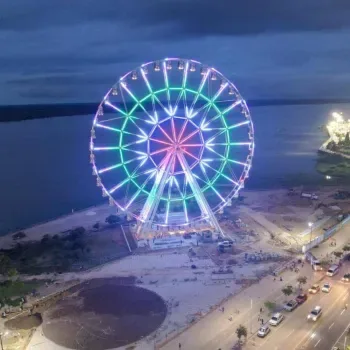
Due to its privileged location in the heart of the eje cafetero Colombian, the city of Pereira is the perfect base to reach multiple natural reserves and varied towns that form part of the unmissable western Andes region.
This city, the largest in the eje, has become a modern urban center with advanced infrastructure, without losing its original rural essence. Here you can ride the Megacable, the most modern and extensive aerial cable in Colombia, to reach the city’s suburbs where haciendas cafeteras predominate. You can also hike along the vibrant waters of the río Otún toward villages in the forest en route to Parque Nacional Los Nevados.
After your tourist activities, the city welcomes you with refined restaurants and dynamic nightlife, worthy of major cities. Friendly pereiranos are always ready to share their stories of life among the mountains.
Sights and experiences
Laguna del Otún, Parque Nacional Natural Los Nevados
From Pereira, you can visit the spectacular glacier territory dominating the central part of Parque Nacional Natural Los Nevados. The río Otún stretches from the city to its birthplace, the sublime Laguna del Otún, amidst misty heights at about 4000 meters above sea level.
The first leg of the adventure is by vehicle, reaching the El Cedral community in a couple of hours. From there, a low-difficulty six-kilometer trail leads to La Pastora visitors’ center. After spending the night, an eight-hour uphill hike takes you to finca El Jordán. Ideal for resting and glimpsing mountain life, this is the last stop before heading to the lagoon the next day.
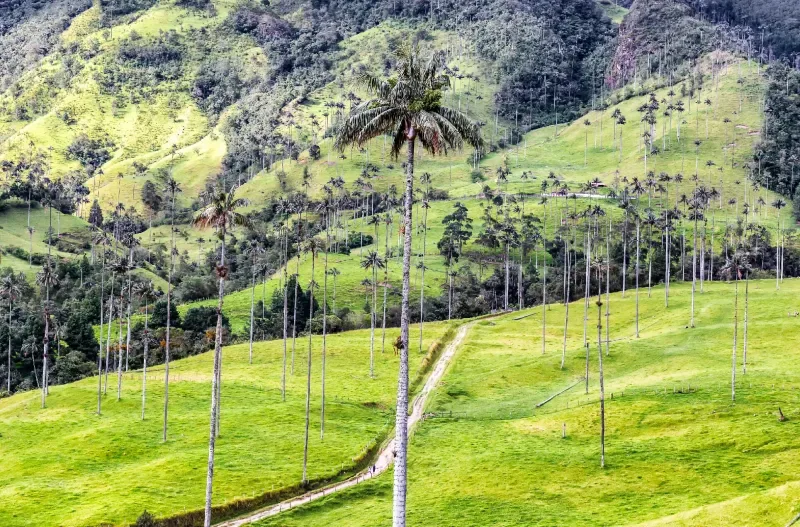
Once reached, avid adventurers can continue and climb Nevado de Santa Isabel. You can choose a different return path, ending in Salento via the valle del Cocora, or in Santa Rosa de Cabal.
Nature, Hiking
Santuario de fauna y flora Otún Quimbaya
This natural reserve, located along the río Otún just fourteen kilometers east of Pereira, protects tropical jungle patches where you can hike and observe local wildlife. Spanning altitudes from 1800 to 2400 meters, it hosts Andean tapirs, colorful butterflies, and over 300 bird species. Its trails lead through the jungle to hidden waterfalls.
Though the reserve can be explored in a day, birdwatchers are advised to stay overnight to take advantage of early morning hours.
Nature, Wildlife
Parque Regional Natural Ucumarí
For enjoying the pure nature of the Andean region without days of hiking and exhaustion, this community-managed reserve at 2500 meters, on the edge of Parque Los Nevados, is ideal. Activities include discovering distant waterfalls along numerous trails, spotting various bird species, and relaxing by a fire with a book.
You can stay in simple accommodations and enjoy hearty meals or opt for a rustic camping experience.
To reach the park, travel about two hours by chiva (a traditional open bus) from Pereira to El Cedral, then walk three hours to La Pastora. If the trek feels too tiring, inquire about horseback options.
Nature, Wildlife

Marsella
This charming municipality, one of the most iconic in the eje cafetero, nestles in the mountains, away from main roads, receiving fewer tourists than its neighbors. Its main square and narrow streets are often quiet, offering an authentic coffee town experience. There, you can visit the Casa de la Cultura, one of the eje’s most iconic buildings.
Practical details
Accommodation
Due to its small size, Pereira is easy to explore regardless of where you stay. Downtown offers comfortable hotels for business travelers, but for a tourist experience, choose options near the gastronomic hub of avenida Circunvalar. Farther out, near Cerritos to the west, boutique hotels provide a more rural experience.
Arrival
Pereira’s Matecaña International Airport, the most advanced in the eje cafetero, is the gateway to the southern western Cordillera. It connects to various points in Colombia, Panama, and North America.
By land, travel from Cali in three hours north on a well-maintained highway, or from Medellín via a mountain route in about three and a half hours.
Near Pereira
Pereira’s strategic location in the eje cafetero makes it an ideal starting point to explore the region’s highlights: the towns of Salento and Filandia, the termales de Santa Rosa de Cabal, and the coffee haciendas of Chinchiná.