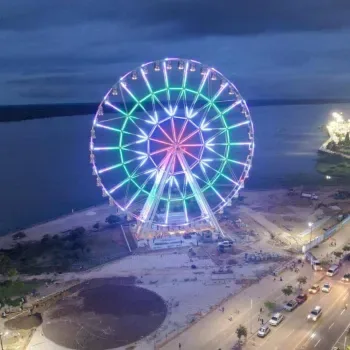
This department of the Amazonian region is located in the southeastern part of the country, on the border with Venezuela and Brazil. For a long time, it was a forgotten territory due to its small population and limited development. However, today we recognize the great value it represents for Colombia in terms of the beauty and abundance of natural and cultural resources. Guainía is part of “the largest river and ecological reserve in the world.”
What Will I Find on My Trip Through Guainía?
When you travel to Guainía, you will encounter amazing landscapes made up of some of the oldest rock formations on the planet, surrounded by powerful rivers of different colors such as the Orinoco, Inírida, Guaviare, Atabapo, and Negro.
Even from the flight that takes you to Inírida — its capital — you will notice the vast Amazon rainforest that makes up the region. You can arrive by air, as there are no land access routes to this town.
This beautiful territory is also home to ancestral Indigenous communities, including the Curripacos, Puinave, Piapocos, Sikuani, and Tucanos. Thus, Guainía is a destination to discover and explore with an expeditionary spirit.
Inírida, which means “little sun mirror” in the Puinave language, is a small and young city founded in 1963, serving as a starting point for trips to tourist sites of great interest.
What to Do in Guainía?
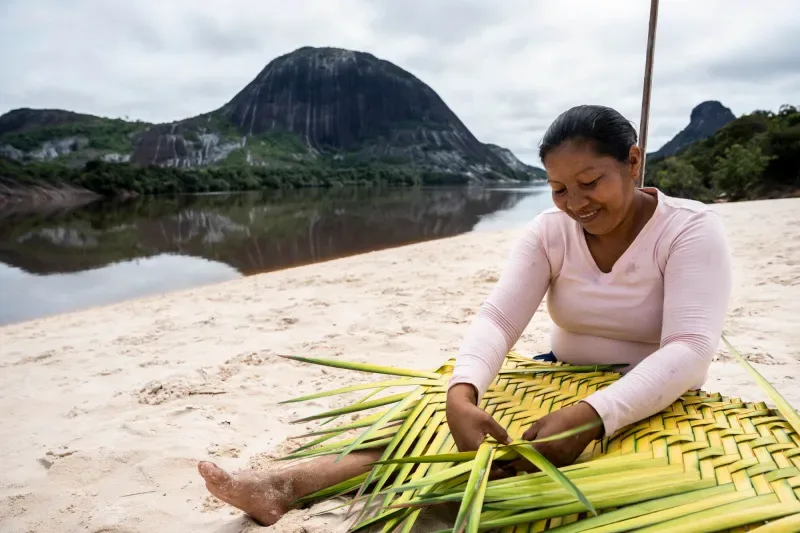
Visit El Remanso and the Mavecure Hills
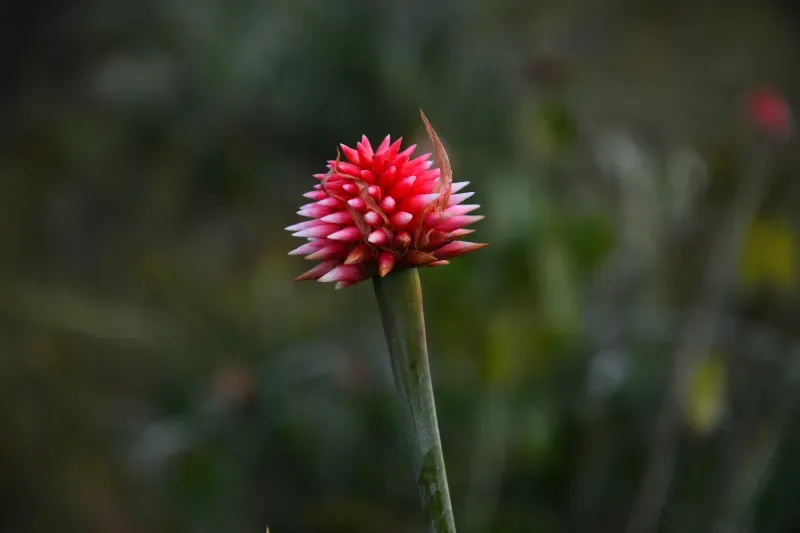
Cerro Mono, Cerro Pajarito, and Mavecure are the places that bring to life the Puinave Indigenous legend in which a beautiful princess was transformed into the Inírida flower.
Located in the Guiana Shield, fifty kilometers from the departmental capital, these immense hills invite visitors to engage in recreational activities such as hiking, wildlife and flora observation, birdwatching, camping, and water sports on the river, such as canoeing.
Puinawi National Park
This is a protected area of more than one million hectares, ideal for encountering a wide variety of animal and plant species and enjoying the beautiful landscapes offered by Guainía’s sunsets.
The park is composed of plateaus, plains, and forest crossed by several rivers, which ensures a rich diversity of species to discover. Some tourists take advantage of their stay to practice water sports or fishing.
La Laguna de la Bruja (Witch’s Lagoon)
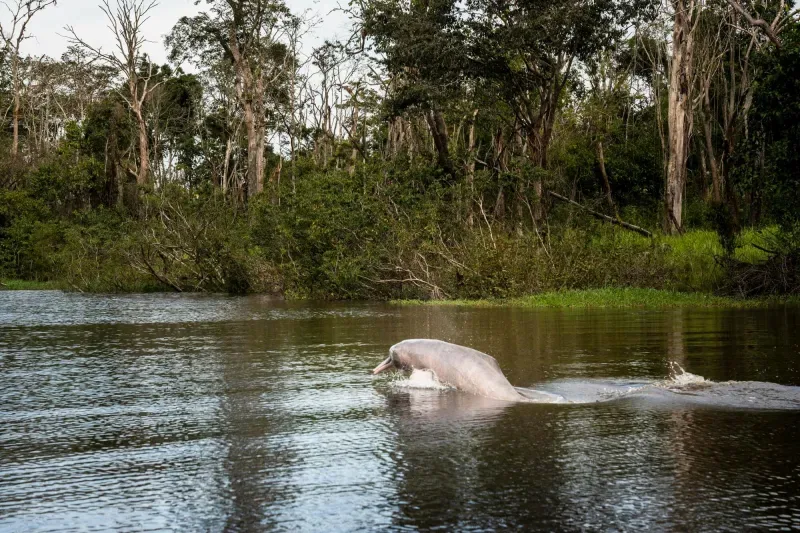
Located just ten minutes by boat from Inírida, this lagoon awakens a love for silence, broken only at dusk by the sounds of forest animals and water. Here, you will see freshwater dolphins — the “pink dolphins of the Amazon” — and have the chance to practice water skiing.
La Estrella Fluvial del Oriente (The Fluvial Star of the East)
From the Inírida River, you can reach the Guaviare River, and further — an hour away — the waters of the Atabapo River and the Orinoco. From the meeting of currents of different colors and sediments emerges the shape of a star, a unique mix that gives rise to a remarkable landscape.
This place holds the Ramsar Territory designation, awarded to destinations with exceptional water richness. Guainía holds three times more water than the entire European continent.
Coco Viejo Community
You can visit this community of the Curripaco ethnicity. This destination features rock engravings on large stones along the Inírida River that date back to pre-Columbian times. Likewise, we recommend observing where the Inírida River meets the Guaviare.
You will also meet artisans who combine clay and a woven fiber called chiqui-chiqui, creating unique pieces that form part of their cosmology.
Flor de la Inírida Ecotourism Trail
This is a special place full of ancestral trees, perfect for hiking and birdwatching. Here, traditional regional food is enjoyed, including different yuca-based preparations such as casabe and mañoco; smoked fish or fish wrapped in plantain leaves; and drinks such as mingado (water with mañoco) and juices made from ceje and manaca, two palm fruits from the region.
This vast department offers multiple places, river beaches, trails, and parks to explore and enjoy the warmth of its people and its landscapes.
The most representative festivities are the Summer Festival, held in January on the beaches of the Inírida River, the Artistic and Cultural Festival, held in October to celebrate local artistic talent, and the Festivity of the Colonies, or the “Meeting of Three Cultures,” organized to share and celebrate the traditions of the different communities of the department.
If you want to experience a journey where adventure, nature, and Indigenous cultures come together, be sure to visit the great department of Guainía. It will surprise you.