Rhythms that bring the Greater Colombian Caribbean to life
The Greater Colombian Caribbean is a region where music reflects the richness of its cultural diversity. Colombian rhythms such as cumbia, vallenato, declared Intangible Cultural Heritage of Humanity by UNESCO, and porro, a musical expression characteristic of Sucre and Córdoba, were born here. These sounds are joined by champeta, with deep Afro-descendant roots in Cartagena and other coastal communities, as well as the musical expressions of Indigenous, Afro-Colombian and Raizal communities, which keep their traditions alive through songs and dances.
Discover the Greater Colombian Caribbean through its music
Traveling through the Greater Colombian Caribbean means finding music in every corner. You can explore Valledupar to discover the birthplace of vallenato, enjoy the atmosphere of the Barranquilla Carnival to the rhythm of cumbia and other traditional sounds, discover the Afro-Caribbean essence of champeta in Cartagena, or visit the towns of Sucre. Each destination invites you to experience Colombia's musical heritage while discovering Colombian music, landscapes, cuisine and traditions that make the Greater Caribbean an unforgettable experience.
Colombian Pacific: sounds born between the rainforest and the sea
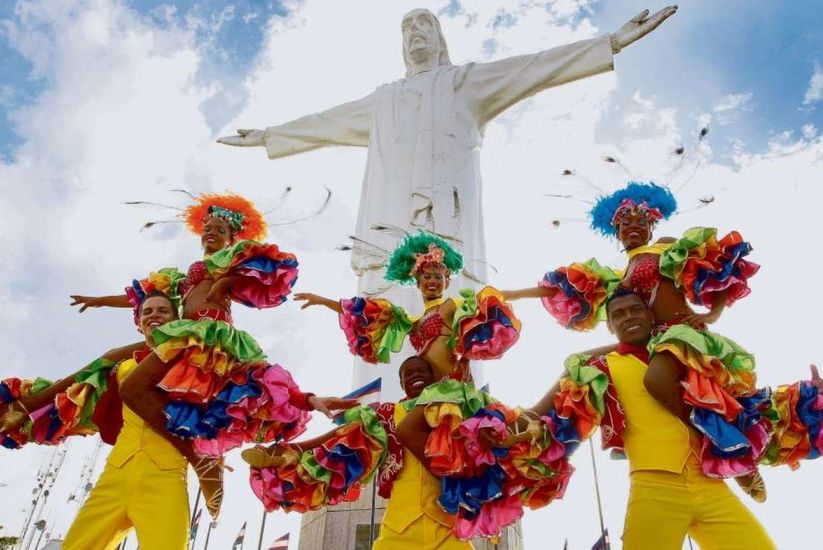
In the Colombian Pacific, music is born from the encounter between nature and the traditions of Afro-descendant and Indigenous communities. For example, currulao is performed with instruments such as the marimba de chonta, cununos, bombo and guasás. Musical expressions such as bunde, juga and abozao also coexist, accompanying celebrations, rituals and cultural manifestations. In Valle del Cauca, salsa is also part of the regional identity and has turned Cali into one of the world's leading references for this genre.
A journey through the Colombian Pacific through its sounds
Traveling through the Colombian Pacific means discovering a territory where music is part of everyday life. In Cali, you can enjoy salsa shows, visit dance schools and experience the atmosphere of the Cali Fair. In cities such as Buenaventura, Guapi and Tumaco, and in nature destinations such as Nuquí and Bahía Solano, the sounds of the marimba and currulao allow you to connect with the traditions of the Pacific coast. If you visit the region during the Petronio Álvarez Pacific Music Festival, you will have the opportunity to experience an expression of Colombian music while enjoying its cuisine, biodiversity and cultural richness.
Traditions that resonate in the Western Colombian Andes
In the Western Colombian Andes, Colombia's local music reflects the identity of its communities and the richness of its traditions. Rhythms such as pasillo and bambuco have accompanied celebrations and everyday life, becoming part of Colombia's representative music. In some areas, carranga can also be heard, a genre that celebrates rural culture through lyrics that tell stories of life in the countryside, work and regional customs.
Explore the Western Colombian Andes to the rhythm of its music
Traveling through the Western Colombian Andes means discovering towns with traditional architecture, coffee-growing landscapes and festivals where music takes center stage. In this region, music accompanies folk gatherings, traditional celebrations and cultural experiences that allow you to discover Andean customs up close. As you explore its destinations, you can enjoy a journey that combines heritage, nature and living traditions.
Echoes of tradition in the Eastern Colombian Andes
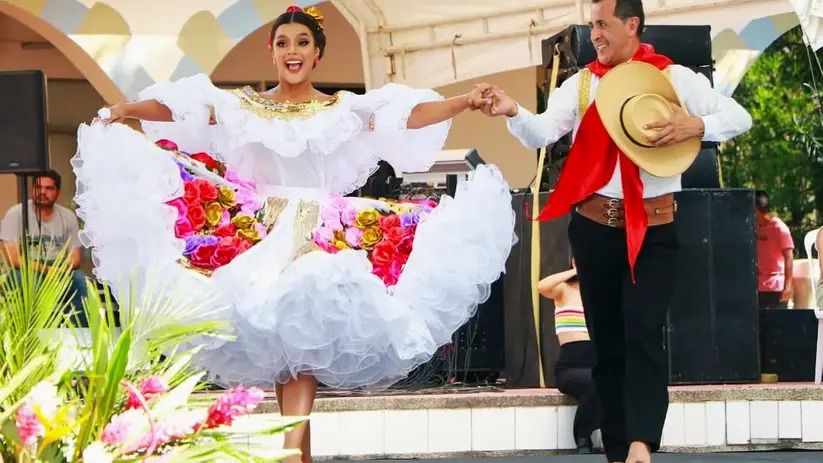
The Eastern Colombian Andes preserve some of Colombia's traditional folk rhythms that reflect the history and traditions of the region. Genres such as torbellino, guabina, bambuco and pasillo are part of Colombia's traditional music and have accompanied celebrations, rural traditions and everyday life for generations in departments such as Boyacá, Santander, Norte de Santander and Cundinamarca.
Discover the Eastern Colombian Andes through its music
Exploring the Eastern Colombian Andes means immersing yourself in a region where music accompanies history, legends and traditions. From the landscapes of páramos and valleys to historic centers and the urban life of Bogotá, travelers can enjoy folk festivals and cultural gatherings. This connection with Colombia's traditional music allows you to discover the region's cultural heritage while exploring heritage towns, natural settings and destinations rich in history.
Ancestral sounds of the Colombian Massif
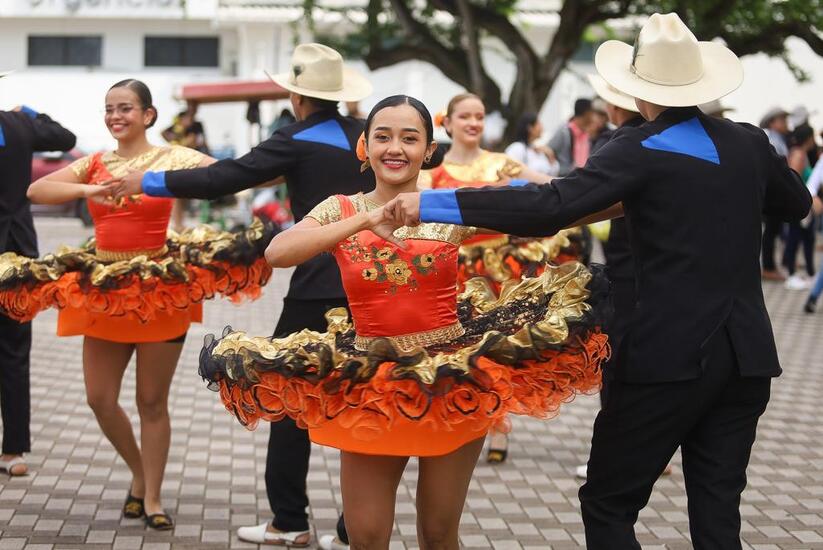
The Colombian Massif is a territory where Colombian cultural music maintains a deep connection with Indigenous roots and ancestral traditions. In this region, ceremonial songs, traditional music and folk expressions transmit the legacy of communities that have inhabited these mountains for centuries. These sounds, which accompany celebrations, rituals and community gatherings, reflect the connection between nature, spirituality and the cultural heritage that characterizes the Colombian Massif.
Connect with the Colombian Massif through its musical traditions
Traveling through the Colombian Massif means discovering a destination where history and culture remain alive. As you explore archaeological parks, traditional towns and landscapes of páramos and volcanoes, you can also connect with Colombian cultural music through festivals, artistic expressions and gatherings that keep the customs of local communities alive.
The sounds of the Colombian Amazon-Orinoquía
The Colombian Amazon-Orinoquía is home to some of the musical rhythms of Colombia that are closely connected to the relationship between communities and nature. In the Eastern Plains, joropo is the rhythm that identifies the region, accompanied by the harp, cuatro and maracas found in cultural gatherings and Llanero traditions. In addition, in the Amazon, ancestral songs and the musical expressions of Indigenous peoples reflect a deep connection with rivers, the rainforest and spirituality.
Discover the Colombian Amazon-Orinoquía to the rhythm of its traditions
Traveling through the Colombian Amazon-Orinoquía means exploring a territory where music accompanies everyday life and the connection with the natural environment. In the Plains, you can experience Llanero culture through joropo, while in the Amazon you will find experiences that bring you closer to the customs and cultural expressions of Indigenous peoples. Amid rainforests, rivers, savannas and nature reserves, this region invites you to discover a living heritage full of diversity.
Traveling through Colombia is also about discovering it through its music. Now that you know some of Colombia's musical rhythms, you know that each region has instruments and sounds that tell the story of its communities, reflect its cultural diversity and accompany its most representative celebrations. From the drums of the Caribbean and the marimbas of the Pacific to Andean melodies, the joropo of the Plains and the ancestral songs of the Amazon, music invites you to explore the country from a new perspective. Discover Colombia through its sounds!
Related articles