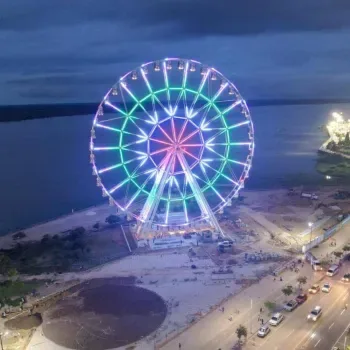
With unique biodiversity, San José del Guaviare is a destination to enjoy nature tourism and meet some indigenous communities of the Amazonía colombiana.
Located north of the Departamento del Guaviare on the border between the Orinoquía and the Amazonía, this city is a young municipality, a mix of settlers and the indigenous Jiw, Tucano Oriental and Nukak, with an average temperature of 24°C.
Indigenous peoples of the Tucano, Cubeo, Piratapupuyo, Nahibo, Carijona, Sikuani and Guayabero ethnicities, among others, have settled in the region since pre-Hispanic times in a flat territory on the banks of the Río Guaviare.
Best places to explore in San José del Guaviare
In the city you can visit several parks. The Parque de la Constitución is the main square, adorned with ceiba and other native trees; it is a special place to rest and have a refreshment. There is the Catedral de San José del Guaviare, a simple church with architectural features similar to indigenous malocas where Catholic faithful gather, especially on Sundays.
The Parque de la Vida, Parque del Barrio La Paz, Parque de la Reconciliación and Centro Deportivo San José del Guaviare are other recommended places to enjoy the outdoors and practice various sports.
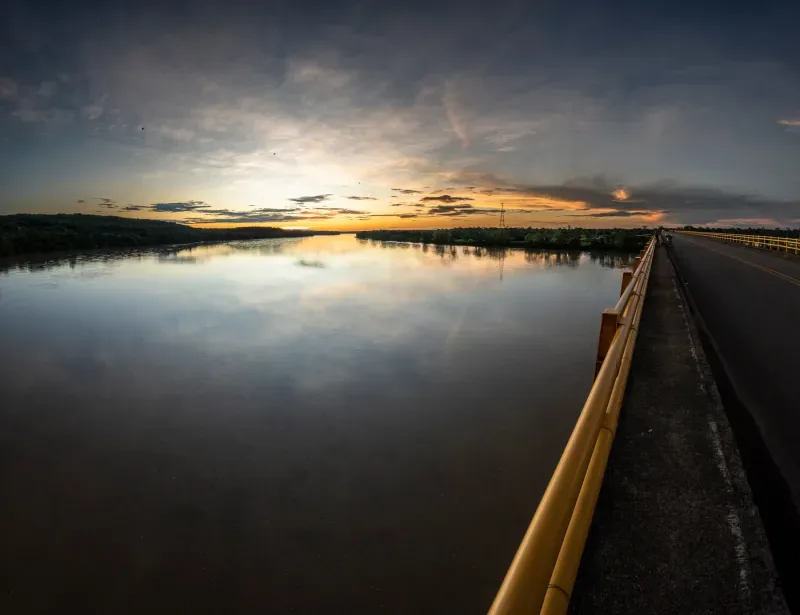
Another must for visitors is the Puerto sobre el Río Guaviare. Agricultural products traded in the region and the day's catch arrive there. Cachamas and barbudos are sold for local consumption or prepared to be sent to the capital.
Full of natural tourist attractions, some of the destinations that San José del Guaviare offers are the following:
-
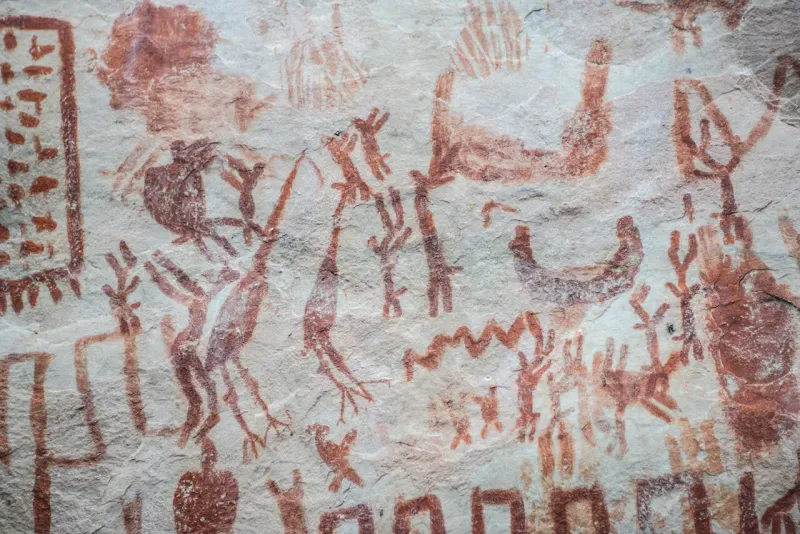
The Parque Nacional Natural Serranía de Chiribiquete, located in Calamar - Guaviare - covers 4.3 million hectares and is home to ancestral tribes that have had no contact with other communities. This territory has significant ecological diversity, as three regions converge there: the Amazonía, the Orinoquía and the Andean Region.
There have been 2,130 reported species of flora, of which sixteen are endemic. Mesa-mountains called “tepuyes” break the jungle landscape, adorned with ancient pictograms. It is estimated that there are more than 75,000 rock images that confirm these geological formations are among the oldest on the planet.
-
To observe paintings twelve thousand years old, visit Cerro Azul in the Serranía La Lindosa. It is a 200-meter-high summit to explore and walk, where you can find numerous crystal-clear streams, gigantic trees with enormous visible roots and native species of flora and fauna.
-
La Reserva Nacional Natural Nukak is a destination in El Retorno, Guaviare, full of plains and savannas mainly watered by the río Inírida; it is a space for conservation of unique biodiversity and is home to the Nukak, Puinave and Curripaco tribes.
-
Los Pozos Naturales are located only eight kilometers from the city. These ancient rock formations create pools of crystal-clear water in different colors due to the surrounding vegetal and mineral richness. It is a bathing spot where you can learn about geological formations and enjoy a swim.
-
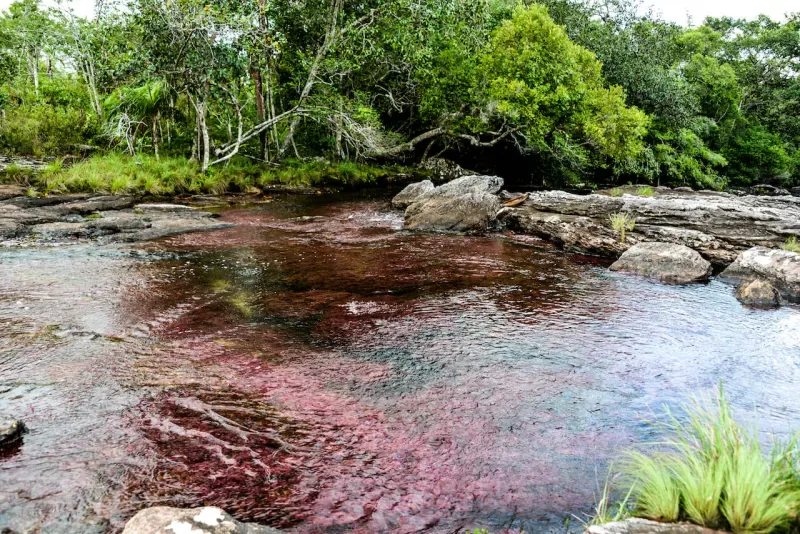
El Balneario Tranquilandia is an ideal location to enjoy the calm waters of the Caño Sabana, notable for their colors formed by the shades of the macarenia aquatic plants that abound there.
You may also be interested in: Banderas azules en Colombia: Turismo sostenible y amigable con el medio ambiente.
-
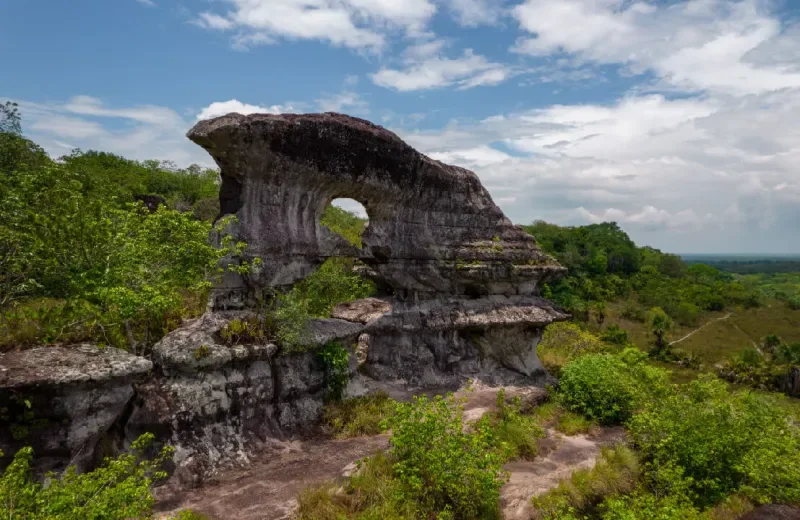
La Ciudad de Piedra de San José is an enigmatic place made up of ancestral rocks distributed with such symmetry that it is a mystery whether they were shaped by humans. With guides you can explore this site that features labyrinths, caverns and monoliths with very old petroglyphs. It is a special place for hiking and caving.
-
Los Puentes Naturales are a top tourist attraction due to their great height. Bridges carved and polished by water over time rise above the ravine, which you can descend with certified guides.
-
La Reserva Natural El Diamante de las Aguas is a place of natural beauty focused on education and species conservation in the region. Guided visits can be made to learn about environmental sustainability and for birdwatching.
-
La Puerta de Orión is an emblematic rock formation of the city. It is twelve meters high and has two natural openings, one above the other. The peculiarity of this natural wonder is that at the summer solstice you can observe the Orion Belt through the upper window, creating a unique spectacle.
-
At the Cascadas El Arco Iris, Las Delicias and del Amor, ecological walks are held in these natural life sanctuaries and extreme sports such as climbing and canyoning, with heights of twenty to thirty meters.
Festivals
San José del Guaviare hosts the Festival Internacional Yuruparí de Oro, a folkloric celebration where llanera culture is displayed and experienced through performances such as dances, songs and contests in which the joropo takes center stage. Parades with traditional costumes and showcases of indigenous cultures mix in a national festival.
This city holds a unique treasure in the world; it is an original and dazzling destination that ranks among the most visited by lovers of the jungle and community-based tourism.